
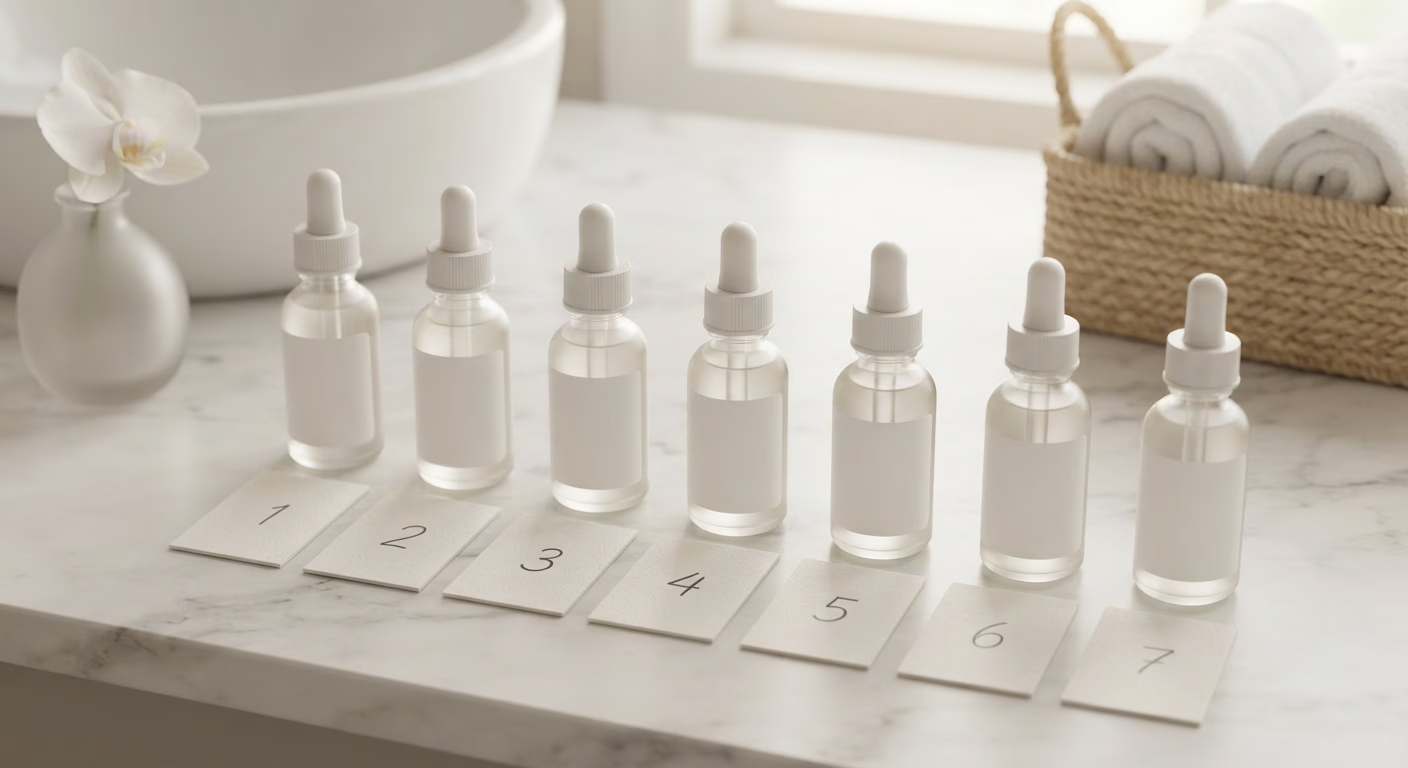
Building a The Ordinary skincare routine trips people up less because of the products themselves and more because of the order you apply them in. Layering order genuinely matters – apply things in the wrong sequence and you can reduce how well your actives absorb, or in some cases, cause unnecessary irritation. Here’s a clear, beginner-friendly breakdown.
The General Rule for Layering Order
The standard principle across nearly all skincare routines: apply products from thinnest to thickest texture, and generally water-based before oil-based. This helps each layer absorb properly instead of sitting on top of a heavier product underneath it.
Morning Routine Order
- Cleanser – start with a gentle cleanser to remove overnight buildup
- Water-based serum (e.g., niacinamide or hyaluronic acid) – apply to slightly damp skin for better absorption: The Ordinary Niacinamide serum
- Oil-based serum, if using (e.g., squalane) – applied after water-based serums, before moisturizer: The Ordinary squalane oil
- Moisturizer – lock in the previous layers
- Sunscreen (last step, always) – non-negotiable, especially if you used any exfoliating acids the night before
Evening Routine Order
- Cleanser (double cleanse if wearing makeup or sunscreen)
- Exfoliating acid, if using (e.g., salicylic or glycolic acid) – not every night: The Ordinary exfoliating acid
- Water-based serum (e.g., niacinamide): The Ordinary Niacinamide serum
- Retinoid, if using – alternate nights with acids, don’t use both the same night when starting out: The Ordinary retinol
- Oil-based serum or facial oil: The Ordinary squalane oil
- Moisturizer
Ingredient Combinations to Avoid Mixing
Some active ingredients can reduce each other’s effectiveness or increase irritation when layered together, especially for beginners:
- Retinoids + exfoliating acids on the same night – both increase cell turnover, and combining them can lead to excess irritation, especially early on
- Vitamin C + niacinamide – historically flagged as a conflict, though modern formulations have largely resolved this; still worth spacing them out (e.g., vitamin C in the morning, niacinamide at night) if you notice any sensitivity
- Multiple exfoliating acids in one routine – stick to one at a time rather than layering several acid types together
A Simple Beginner Routine to Start With
If the full routine feels like too much at once, start minimal and build from there:
Morning: Cleanser → Niacinamide serum → Moisturizer → Sunscreen
Evening: Cleanser → Niacinamide serum → Moisturizer
Once your skin has adjusted to these basics (typically 2-4 weeks), you can introduce one additional active at a time – an exfoliating acid or a retinoid – rather than adding several new products at once.
How Long to Wait Between Introducing New Products
- Give each new active at least 1-2 weeks before introducing another, so you can identify what’s causing any reaction if irritation occurs
- Start actives like retinoids 2-3 nights per week rather than nightly, gradually increasing frequency as your skin builds tolerance
Frequently Asked Questions
Do I really need to apply products in a specific order? Yes, generally – applying thinner, water-based products before thicker, oil-based ones helps each layer absorb properly rather than being blocked by a heavier product underneath.
Can I use every product in a full routine on day one? It’s not recommended – introducing too many new actives at once makes it hard to identify what’s working or causing irritation, and can increase the risk of over-exfoliating or over-treating your skin early on.
Is sunscreen really necessary every single day? Yes – this is especially important when using exfoliating acids or retinoids, since both can increase skin’s sensitivity to UV exposure, making sun protection more important, not less.
More articles.
This post contains affiliate links. As an Amazon Associate, we earn from qualifying purchases at no extra cost to you.