
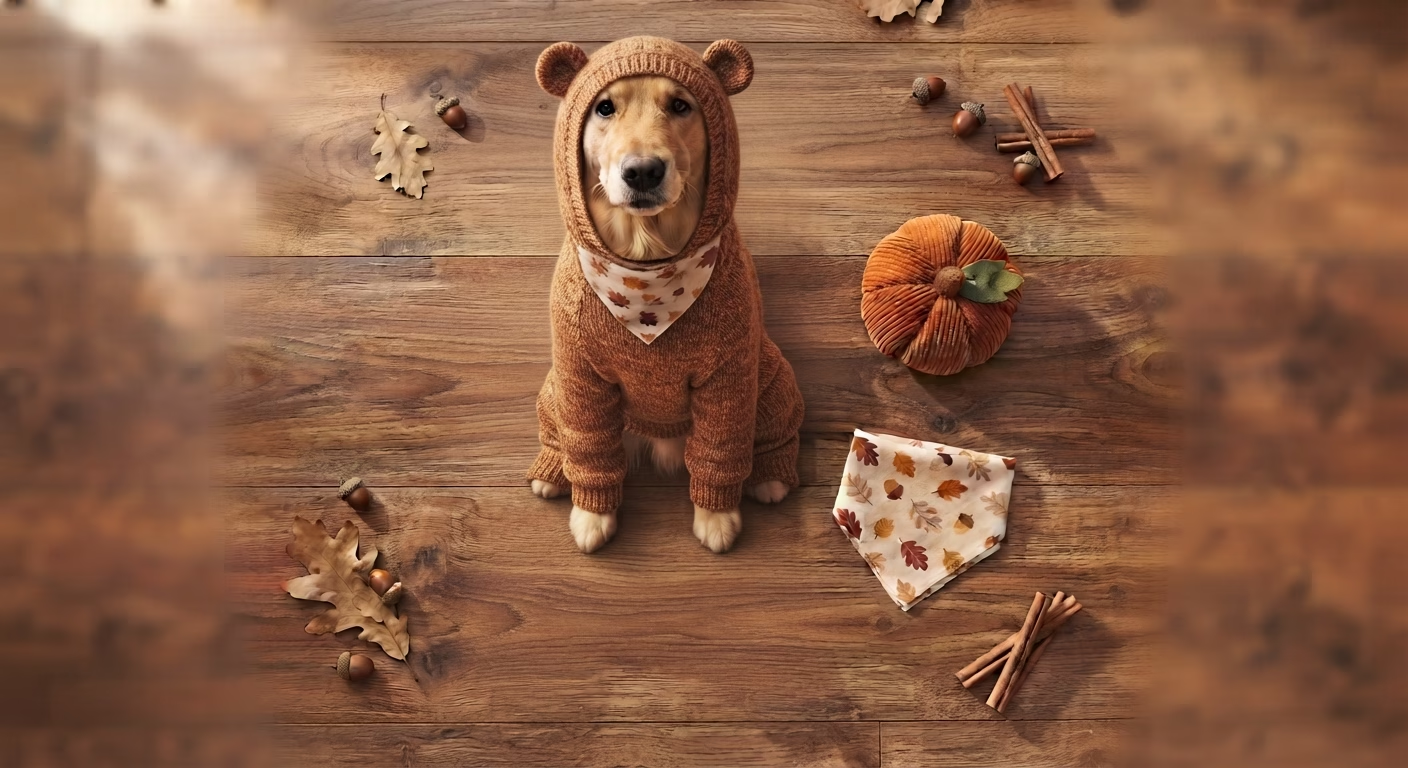
Pet costumes have become a genuinely large part of Halloween spending, and knowing what to buy for your dog’s costume means balancing something fun and photo-worthy with something your dog will actually tolerate wearing. Nearly a quarter of Halloween shoppers now plan to dress up their pets, and comfort matters just as much as the design.
Why Dog Costumes Are a Bigger Deal Than Ever
Pet costume spending has grown into a genuinely large seasonal category, reflecting how much more central pets have become to Halloween celebrations – not just an afterthought accessory, but a real part of family costume planning.
Comfortable Costume Styles to Start With
Not every dog tolerates a full costume well, so starting with lower-stress options is often the better approach, especially for a dog trying a costume for the first time.
- A simple bandana or costume-themed scarf – low-stress, easy to remove
- A soft costume hood or headpiece alone, without a full-body outfit
- A lightweight, breathable full costume for dogs who tolerate more coverage
- A costume harness combo, which doubles as walking gear
Popular Dog Costume Themes
- Classic pumpkin or ghost-themed outfits
- Superhero-themed costumes, especially for matching with a family theme
- Simple animal-transformation costumes (dog dressed as another animal)
- Matching family-and-pet sets, for a coordinated group look
Sizing Tips for Dog Costumes
- Measure your dog before ordering – chest girth and length matter more than breed-based size charts, since builds vary widely even within a breed
- Check for adjustable closures – Velcro or elastic straps accommodate a better fit than fixed sizing
- Avoid anything that restricts movement or breathing – a good costume should allow normal walking, sitting, and panting without obstruction
- Consider your dog’s coat – longer-haired or heavily-coated dogs may overheat faster in a full costume than short-haired breeds
How to Introduce a Costume Without Stressing Your Dog
- Let your dog sniff and investigate the costume before putting it on
- Start with short wear periods indoors before an actual outing
- Pair the costume with treats to build a positive association
- Watch for signs of stress (pawing at the costume, freezing in place, excessive panting) and remove it if your dog seems distressed
Safety Tips for Dog Costumes
- Avoid costumes with small, chewable pieces that could pose a choking hazard
- Make sure the costume doesn’t obstruct your dog’s vision, hearing, or ability to go to the bathroom normally
- Check that any dyes or fabric treatments are labeled pet-safe
- Reflective or light-up elements are a good addition for nighttime trick-or-treating safety
Frequently Asked Questions
What if my dog just won’t tolerate wearing a costume? A simple bandana or a small accessory (like a festive collar attachment) is a lower-stress alternative that still lets your dog participate in the Halloween theme without a full costume.
How do I know if a dog costume fits properly? It should allow full range of motion for walking, sitting, and panting, with no tight areas around the neck or legs – measuring your dog’s chest girth and length before ordering is more reliable than relying on breed-based size charts alone.
Are dog costumes safe for long periods of wear? Costumes are generally best for shorter wear periods (photos, brief outings, or a party) rather than extended wear, especially for dogs with thicker coats who can overheat more easily.
This post contains affiliate links. As an Amazon Associate, we earn from qualifying purchases at no extra cost to you.