
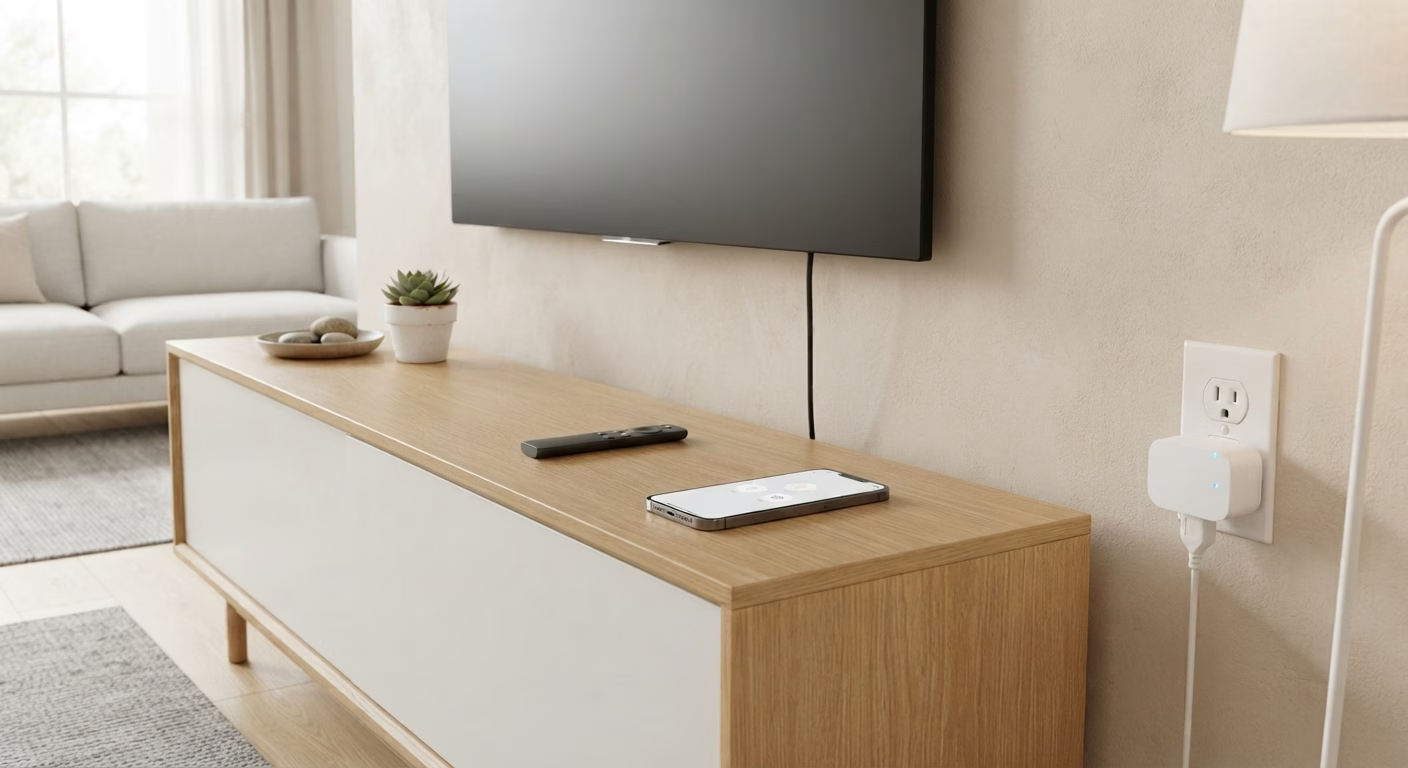
You don’t need a full home automation system to get real value from smart devices, and knowing what to buy for smart home basics on a budget means starting with a handful of genuinely useful, inexpensive upgrades rather than an expensive whole-home overhaul. With more shoppers prioritizing value over big-ticket purchases, small, practical smart home upgrades have become one of the most popular entry points into the category.
Why Start Small with Smart Home Tech
A full smart home setup can run into the thousands of dollars once you factor in hubs, sensors, and compatible devices throughout a house. The good news is that a few affordable devices – smart plugs, a streaming stick, a basic security camera – deliver a large percentage of the everyday convenience without the full investment.
Smart Plugs: The Best Starting Point
This is consistently one of the easiest, cheapest ways to get started with smart home basics.
- A basic Wi-Fi smart plug for lamps or small appliances
- A multi-outlet smart plug for controlling several devices from one unit
- An outdoor-rated smart plug for holiday lights or patio devices
Why this matters: Smart plugs let you add “smart” functionality (scheduling, remote on/off, voice control) to devices that aren’t smart themselves – a regular lamp, a fan, a coffee maker – without replacing the device.
Streaming and Entertainment
- A compact 4K streaming stick
- An HDMI switch, useful if your TV has limited ports
- A universal remote to consolidate multiple devices
Basic Home Security on a Budget
- A compact indoor security camera
- A video doorbell, one of the highest-value smart home purchases for the price
- A smart door/window sensor for basic entry alerts
Convenience Devices Worth the Investment
- A smart speaker as a central voice-control hub
- A compact tracking device for keys, bags, or luggage
- A high-capacity power bank, useful for keeping devices charged during travel or outages
Lighting Upgrades
- Smart light bulbs for a single room to start
- A smart light strip for accent lighting
How to Prioritize If You’re on a Tight Budget
- Start with one smart plug – it’s the cheapest way to test whether you’ll actually use smart home features day to day
- Add a streaming stick next – immediate, obvious value with almost no learning curve
- Consider a video doorbell before an interior camera – entryway monitoring tends to offer more practical value than indoor cameras for most households
- Add smart lighting last – it’s the most “nice to have” category compared to the others
Frequently Asked Questions
Do I need a smart home hub to get started? Not necessarily – most modern smart plugs, bulbs, and cameras connect directly to home Wi-Fi and are controlled through a smartphone app, without requiring a separate hub for basic use.
What’s the cheapest way to start with smart home devices? A basic Wi-Fi smart plug is typically the least expensive entry point and gives an immediate, tangible sense of whether smart home features fit into your routine.
Are budget smart home devices reliable? Reliability varies by brand, but well-reviewed budget devices in categories like smart plugs and streaming sticks have matured enough that there’s little meaningful difference in day-to-day performance compared to premium options for basic use cases.
This post contains affiliate links. As an Amazon Associate, we earn from qualifying purchases at no extra cost to you.