
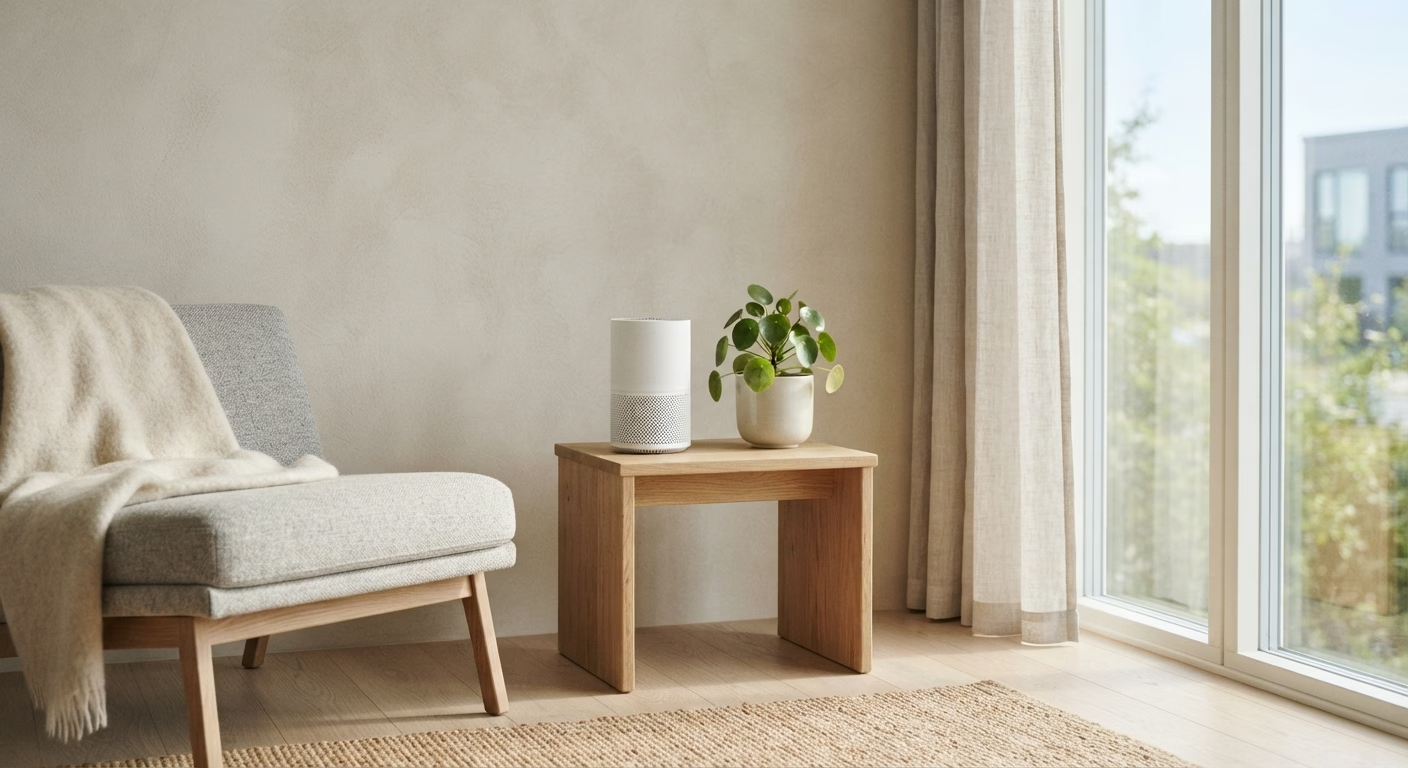
As windows close up for the season and seasonal allergens peak, knowing what to buy for better indoor air quality becomes a lot more relevant than most people realize. Fall brings ragweed pollen, increased dust circulation from heating systems kicking back on, and less natural ventilation – all of which make indoor air quality worth addressing before it becomes a bigger issue.
Why Indoor Air Quality Matters More in Fall
Once heating systems turn on for the season, they circulate dust and allergens that have settled over the summer. Combined with closed windows and peak ragweed season, fall is one of the more challenging times of year for indoor air, especially for allergy or asthma sufferers.
HEPA Air Purifiers: The Core Purchase
This is the single most impactful item on the list.
- A compact desktop HEPA air purifier for bedrooms or home offices
- A larger HEPA purifier for living rooms or open-concept spaces
- Replacement filters (buy an extra set upfront so you’re not caught without one)
Tip: Size the purifier to the room. A unit rated for a much smaller space than the room it’s in won’t perform as advertised.
Air Quality Monitoring
- A portable air quality monitor to track particulate matter and VOC levels
- A simple humidity monitor, since both very dry and very humid air affect comfort and allergens
HVAC and Filter Upgrades
- Higher-MERV-rated furnace filters, if your system supports them
- A filter subscription reminder or scheduling system – filters are only effective if changed regularly
- Vent covers or filters for return air vents, to catch additional dust
Everyday Additions That Help
- A few low-maintenance air-purifying houseplants
- A dehumidifier, if your home tends toward high humidity in fall
- Allergen-reducing bedding covers, especially useful in bedrooms
Cleaning Tools That Support Air Quality
- A vacuum with a certified HEPA filter, not just a standard filter
- Microfiber dusting cloths, which trap dust rather than scattering it
- A damp mopping system for hard floors to reduce airborne dust
Where to Place an Air Purifier for Best Results
- Bedrooms tend to have the highest impact, since you spend 6-8+ hours there
- Avoid corners – purifiers work best with open airflow around them, not tucked against two walls
- Keep doors closed while running a purifier in a specific room for more effective filtration
- Run it consistently, not just when allergies flare – air purifiers work cumulatively, not instantly
Frequently Asked Questions
Do air purifiers actually help with seasonal allergies? Yes, when sized correctly for the room and running consistently, HEPA air purifiers can meaningfully reduce airborne allergens like pollen and dust that make their way indoors.
How often should HEPA filters be replaced? Most HEPA filters need replacement every 6-12 months depending on usage and air quality, though it’s worth checking the specific manufacturer’s recommendation for your unit.
Is a HEPA vacuum really necessary, or does a regular vacuum work? A certified HEPA vacuum captures much smaller particles than a standard vacuum filter, which matters most for allergy sufferers or homes with pets, since regular vacuums can recirculate fine dust back into the air.
This post contains affiliate links. As an Amazon Associate, we earn from qualifying purchases at no extra cost to you.